
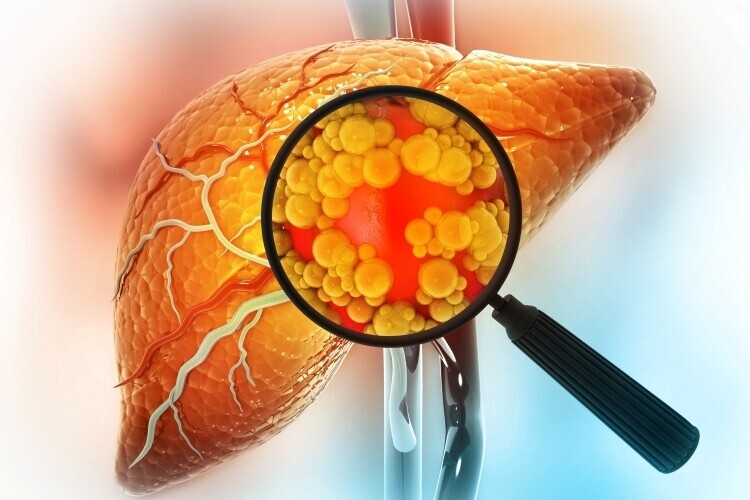
What Is the Standard American Diet — and Why Is It SAD?
Have you been feeling tired, foggy, or inflamed — and you can’t figure out why? You try to eat healthy, but it doesn’t seem to help.
You’re left feeling exhausted and hungry regardless of how much you eat; sound familiar?
The Standard American Diet (fittingly abbreviated SAD) is built around foods that quietly work against your body.
At Refine Chiro in Mandeville, LA, we look past the symptoms to the root cause, which, for many people across the Louisiana Northshore— and frankly, the entire country — that root cause starts on the plate.
I discuss the whole thing in this short video: What Is the Standard American Diet and Why Is It SAD?
Prefer to read? The full breakdown is right here:
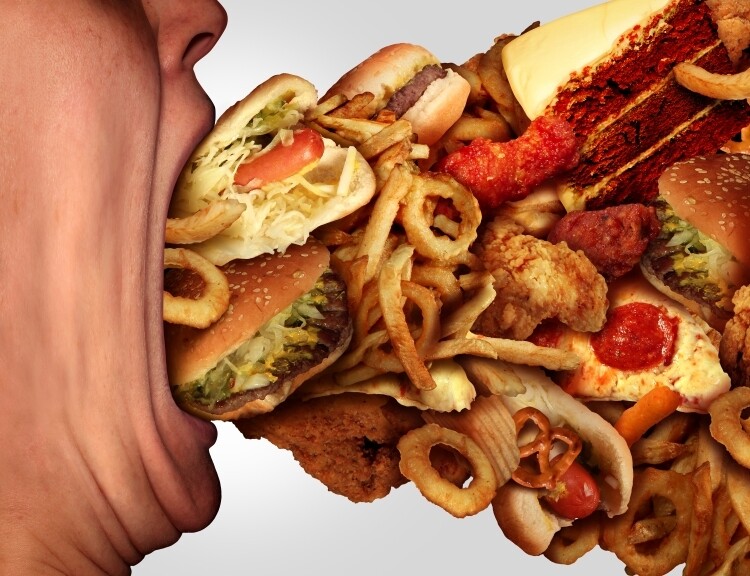
What Is the Standard American Diet (SAD)?
The Standard American Diet describes the way most of us in the U.S. eat today. It’s heavy on convenience and light on nutrition. In plain terms, it’s a diet built around:
- Ultra-processed foods — packaged, shelf-stable, ready to eat
- Added sugars — especially high fructose corn syrup
- Unhealthy fats and seed oils — soybean, corn, canola, sunflower
- Very few fresh, whole foods — real produce, meat, and dairy
This pattern of eating is closely linked to some of the most common chronic health struggles we see today: obesity, type 2 diabetes, autoimmune issues, and metabolic dysfunction.

Why Does the SAD Diet Keep So Many of Us Stuck?
Here’s the surprising part: it’s not entirely our fault.
The modern lifestyle runs on artificial stressors, poor sleep, little movement, and convenience food — and we’ve been sold the idea that this is just the price of a busy, successful life. It isn’t.
Ultra-processed foods are cheap to make, last a long time on the shelf, and are engineered to be hard to stop eating. The benefit goes to the people selling them — not to your body.
Even when you try to eat well, two things get in the way:
- A long food chain. Produce often travels hundreds of miles before it reaches your local grocery store. The longer it sits after picking, the fewer nutrients it holds. Modern single-crop farming also depletes the soil, which means less nutrition in the food grown in it.
- Confusing labels. Terms like “natural flavoring” sound reassuring, but can hide heavily modified or GMO-derived ingredients. And “generally recognized as safe” (GRAS) only means a substance has a history of common use — not that it’s actually good for you. In fact, plenty of once “safe” ingredients have later been linked to real harm — for example, PFAS in non-stick cookware (associated with liver and kidney damage and developmental issues in children) and certain artificial sweeteners (linked in some studies to heart disease and cancer).

The Usual Suspects in the Standard American Diet
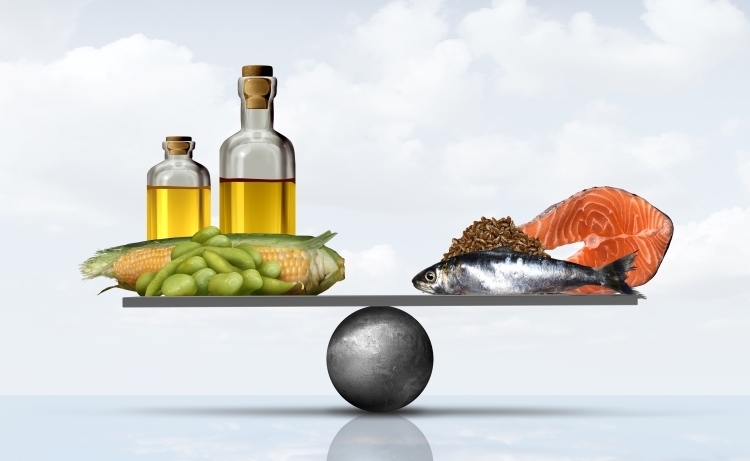
1. High Fructose Corn SyrupHigh fructose corn syrup (HFCS) is a cheap, very sweet liquid made by processing corn starch. You’ll find it in soft drinks, candy, baked goods, canned fruit, snacks, and condiments. Here’s why it matters: your body handles fructose differently than regular sugar.Glucose (regular sugar) is absorbed into your blood, which signals insulin to move that energy into your cells. It also helps trigger the hormones — like leptin — that tell your brain, “you’re full.”Fructose is processed mostly in the liver and doesn’t trigger the same insulin and fullness response. Over time, it can drive fat buildup in the liver, contribute to insulin resistance, and leave you reaching for more — because your “I’m full” signal never really fires.2. Artificial SweetenersSweeteners like aspartame, sucralose, and saccharin add sweetness without calories — but “zero calories” doesn’t mean “no effect.”Aspartame (Equal, NutraSweet, many diet sodas) is in over 6,000 products. In 2023, the International Agency for Research on Cancer classified it as “possibly carcinogenic to humans” — a finding that’s been debated, but worth knowing. It’s also been associated with changes to the gut microbiome and to mood-regulating neurotransmitters.Sucralose (Splenda) is about 600 times sweeter than table sugar. It can make it harder for your body to read its own hunger and fullness cues — which may actually boost cravings for sweet, high-calorie foods.3. Seed OilsSeed oils — soybean, corn, canola, and sunflower oil — are highly processed and are everywhere in packaged food. They’re very high in omega-6 fatty acids. Omega-6 isn’t bad on its own; the problem is the ratio.A healthy omega-6 to omega-3 ratio sits somewhere around 4:1 to 1:1.Most Americans land at 10:1, 20:1, or higher.That imbalance promotes systemic inflammation — the slow, body-wide kind that’s tied to cardiovascular disease, type 2 diabetes, and autoimmune conditions. Heavily processed seed oils can also drive oxidative stress, which damages cells over time.

Simple Food Swaps to Start Eating Better
Eating well can feel daunting — but you don’t have to overhaul everything at once. A few small, repeatable food swaps go a long way:Shop the perimeter. The outer edges of the grocery store are where the real food lives — produce, meat, eggs, and dairy. The center aisles are where the highly processed, long-shelf-life products hide.Learn to read labels. Watch for high fructose corn syrup, seed oils, and vague terms like “natural flavoring.” Fewer ingredients you can’t pronounce are usually a good sign.Swap, don’t sacrifice. Trade soda for sparkling water, seed-oil snacks for whole foods, and diet drinks for unsweetened options.Pick fresher when you can. Local and in-season produce generally holds more nutrients than food that’s traveled across the country.The goal isn’t perfection. It’s a handful of changes you can actually keep.

Food Is Only Part of the Picture
Diet matters — but it’s just one piece of a bigger system. When inflammation, blood sugar, sleep, stress, and nervous-system function are all out of balance, no single swap fixes everything. That’s exactly why we take a root-cause approach at Refine Chiro.Rather than chasing symptoms one at a time, we work to understand what’s actually going on in your body and build a plan around it. Our neurologically focused chiropractic care supports the nervous system that helps regulate inflammation and digestion, and The Metabolic Spa helps you gather a fuller picture of your metabolic health — so the changes you make on your plate have the best chance to actually work.

Frequently Asked Questions
What is the Standard American Diet (SAD)?
The Standard American Diet is the typical modern U.S. way of eating — high in ultra-processed foods, added sugars, unhealthy fats, and seed oils, and low in fresh whole foods. It’s linked to obesity, type 2 diabetes, autoimmune issues, and metabolic dysfunction.
Why are seed oils considered unhealthy?
Seed oils like soybean, corn, canola, and sunflower oil are very high in omega-6 fatty acids. When the omega-6 to omega-3 ratio gets too high — common on the Standard American Diet — it can promote systemic inflammation and oxidative stress, which are tied to several chronic conditions.
Is high fructose corn syrup worse than regular sugar?
Fructose is processed mainly in the liver and doesn’t trigger the same insulin and fullness signals as glucose. Over time, high fructose corn syrup can contribute to fat buildup in the liver and insulin resistance, and may leave you feeling less full, which can lead to eating more.
How can I start eating healthier without a complete diet overhaul?
Start small: shop the perimeter of the grocery store, read ingredient labels, swap processed snacks and sodas for whole-food options, and choose fresher, in-season produce when you can. Small, repeatable habits are easier to maintain than an all-at-once overhaul.
Does Refine Chiro help with metabolic health in Mandeville, LA?
Yes. Refine Chiro and The Metabolic Spa in Mandeville, LA, take a root-cause approach to whole-body wellness, serving the Northshore and greater New Orleans area. We help you gather a fuller picture of your health and build a personalized plan to support your goals.
Ready to Get to the Root of How You Feel?
Small changes on your plate can make a real difference — and you don’t have to figure it out alone. If you’re ready to understand why you feel the way you do and build a plan that lasts, schedule a consultation with Refine Chiro in Mandeville, LA — and let’s get you feeling your best.Refine Chiro · Contact us · Serving Mandeville, the Northshore & the New Orleans metro.
Sources & Further Reading
The information in this post is drawn from peer-reviewed research, including:
- Ankul Singh S, et al. “Unveiling the profound influence of sucralose on metabolism and its role in shaping obesity trends.” Frontiers in Nutrition, 2024. [link]
- Palmnäs MSA, et al. “Low-Dose Aspartame Consumption Differentially Affects Gut Microbiota-Host Metabolic Interactions in the Diet-Induced Obese Rat.” PLOS ONE, 2014. [link]
- Soffritti M, et al. “First Experimental Demonstration of the Multipotential Carcinogenic Effects of Aspartame Administered in the Feed to Sprague-Dawley Rats.” Environmental Health Perspectives, 2006. [link]
- Czarnecka K, et al. “Aspartame—True or False? Narrative Review of Safety Analysis of General Use in Products.” Nutrients, 2021. [link]
- Finamor I, et al. “Chronic aspartame intake causes changes in the trans-sulphuration pathway, glutathione depletion and liver damage in mice.” Redox Biology, 2017. [link]
- Onaolapo AY, et al. “Alterations in behaviour, cerebral cortical morphology and cerebral oxidative stress markers following aspartame ingestion.” Journal of Chemical Neuroanatomy, 2017. [link]
- Monte WC. “Methanol: A chemical Trojan horse as the root of the inscrutable U.” Medical Hypotheses, 2010. [link]
- Mueller NT, et al. “Consumption of caffeinated and artificially sweetened soft drinks is associated with risk of early menarche.” American Journal of Clinical Nutrition, 2015. [link]
- Ruiz-Ojeda FJ, et al. “Effects of Sweeteners on the Gut Microbiota: A Review of Experimental Studies and Clinical Trials.” Advances in Nutrition, 2019. [link]
- Richardson IL, Frese SA. “Non-nutritive sweeteners and their impacts on the gut microbiome and host physiology.” Frontiers in Nutrition, 2022. [link]

Tim Cunningham
Contact Me

.png)
